Kratom’s story doesn’t start in a lab or a government study—it starts beneath the dense canopy of Southeast Asia. In rural Indonesia, Thailand, and Malaysia, Kratom (Mitragyna speciosa) has been used for centuries. Not to get high, not to escape, but to endure. Farmers and laborers would pluck fresh leaves, chew them or brew them into tea to ease pain, fight fatigue, and stay focused.
But here in North America, Kratom has taken root in new soil—and something beautiful is growing.
Kratom culture in the U.S. and Canada is unlike anything else. It’s not just a health trend. It’s a quiet revolution. A patchwork community of people—veterans, trauma survivors, parents, blue-collar workers, students, artists—who’ve found something that actually works for them.
In the beginning, Kratom users were forced underground. They swapped stories on niche forums. They ordered from mystery websites. They didn’t talk openly about their experiences—not because they were ashamed, but because they were afraid. Misinformation, stigma, and the looming threat of criminalization kept people silent.
But over time, the silence cracked. Then it broke.
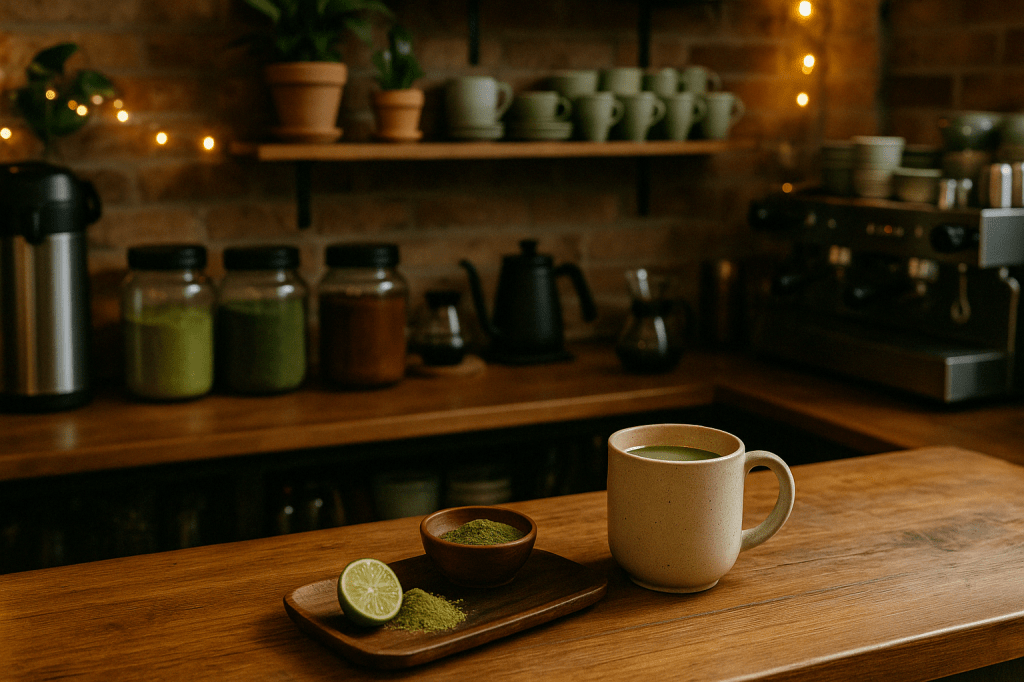
Now, Kratom tea bars are popping up across the country. From Tampa to Tucson, Trucksville to Sacramento, these spaces are redefining what it means to gather. They’re not bars. They’re not cafés. They’re cultural hubs—places where people come to feel safe, heard, and human. Where a cup of Red Bali might come with a side of life advice. Where folks check in on each other’s dosage and mental health.
Online, the culture thrives. Reddit, TikTok, YouTube—everywhere you look, Mitragynists are speaking out. Sharing stories about getting off pharmaceuticals. About finally sleeping through the night. About making it through pain, depression, addiction, or burnout when nothing else worked. This isn’t hype. It’s testimony.
And the beauty is in the diversity.
Some sip green tea in the morning to boost energy.
Some take red in the evening to ease pain or PTSD.
Some blend strains like herbal sommeliers.
Some microdose, some brew strong.
Some keep it sacred. Some keep it social.
All of them keep it real.
This is North American Kratom culture:
Independent but connected
Natural but modern
Rooted in ancient tradition but evolving every day
It’s not just about the plant. It’s about people reclaiming their wellness. It’s about access, autonomy, and community. And it’s about time the world understood that.
Kratom culture didn’t arrive here—it emerged here.
Not imported. Planted. Nourished by pain, healed through connection, and defended with truth.
Welcome to the movement.
You’re not alone.
You’re part of something growing.
From Jungle to Kava Bar: Kratom Culture in North America
 Verideon
Leave a comment