Kratom, scientifically known as Mitragyna speciosa, has roots that trace back centuries, with its cultural and medicinal use woven into the fabric of Southeast Asia. Indigenous to the rainforests of Thailand, Malaysia, and Indonesia, Kratom was traditionally used by local populations for its stimulant effects. Workers in the fields would chew on the leaves of the Kratom tree to enhance their stamina and reduce fatigue. Its role in daily life wasn’t just functional — it had cultural significance, often linked to rituals and local traditions.
In these ancient societies, Kratom was seen as a valuable resource — one that connected the past to the present and played a part in physical, social, and even spiritual well-being. Beyond just a tool for physical endurance, it was used in traditional medicine for pain relief, to treat diarrhea, and as a way to manage emotional and mental health. This deep-rooted history of use demonstrated Kratom’s versatility and its lasting importance in indigenous cultures.
Kratom in Modern North America: A Wellness Revolution
Fast forward to today, and Kratom has made its way into the modern wellness scene, especially in North America, where it has garnered significant attention. What was once an obscure herbal remedy is now a prominent player in the growing movement of natural wellness. Its rise in popularity is part of a broader cultural shift away from pharmaceutical drugs and towards holistic, plant-based alternatives for pain management, mental clarity, and overall well-being.
Kratom is often sought out by those who are looking for alternatives to prescription opioids. In the United States, where the opioid crisis continues to wreak havoc on public health, many individuals turn to Kratom to alleviate chronic pain without the addictive properties of traditional painkillers. It’s also gaining traction as a natural remedy for anxiety, stress, and even depression, leading to a surge of consumer interest.
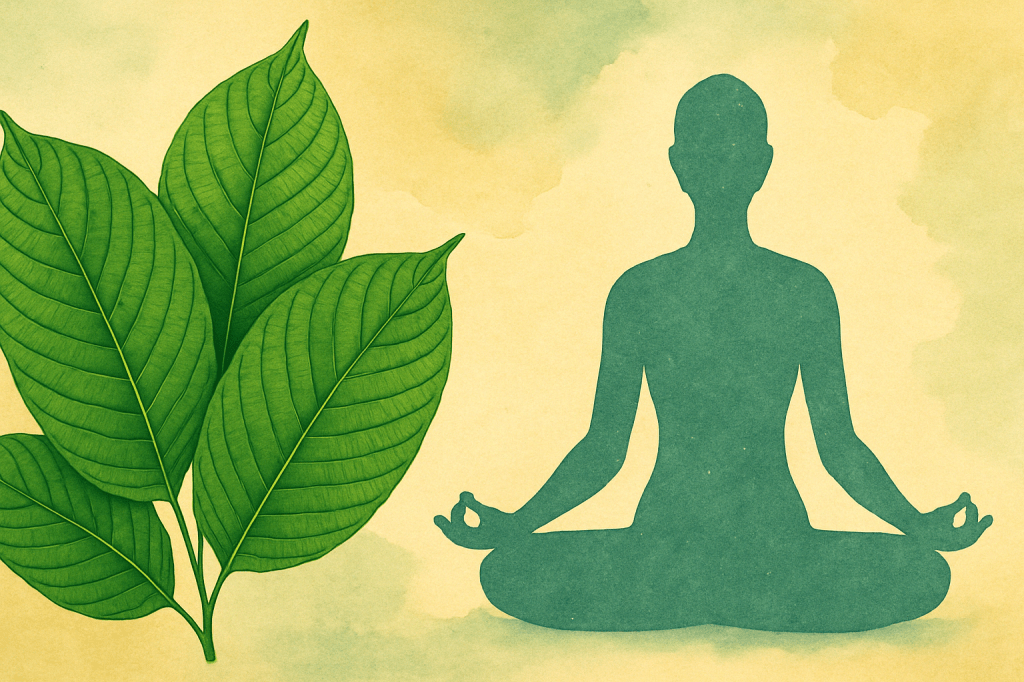
For many, Kratom has become more than just a remedy — it’s a lifestyle choice. It fits into a broader cultural shift towards self-care and empowerment, where people seek more control over their health and wellness. From wellness bloggers and alternative health practitioners to individuals on social media, Kratom is being championed as a safe, effective, and natural way to reclaim one’s health.
The Rise of Kratom Communities
In North America, Kratom has sparked the formation of dedicated consumer communities, online forums, and social media groups where users can share their experiences and educate others. These communities are crucial in pushing back against misinformation and advocating for legislation that ensures access to Kratom. They are the voices on the front lines, speaking out against potential bans and calling for regulation that prioritizes consumer safety without limiting access to this natural herb.
Kratom has also made its way into mainstream wellness—from niche herbal shops to major online wellness platforms. It’s marketed as part of a broader natural remedy trend, along with other herbal products like CBD and adaptogens. As more people discover its benefits, Kratom’s footprint in modern wellness grows, solidifying its place in North America’s evolving health landscape.
A Complex Debate
Despite its growing popularity, Kratom’s cultural impact in North America isn’t without controversy. While many users champion it as a safer alternative to painkillers, others, including some health officials, have raised concerns about its potential for abuse. The FDA’s stance on Kratom has become a focal point of debate, with advocates pushing for clearer regulations that protect consumer access while ensuring safe use.
What’s clear, however, is that Kratom’s journey in North America is far from over. It stands as a symbol of empowerment for those seeking alternatives in a healthcare system dominated by pharmaceuticals. For many, Kratom represents a new chapter in health and wellness, one that honors both ancient traditions and modern needs.
The Global Connection
Kratom’s impact doesn’t just stop at its use in North America. From Southeast Asia to the U.S., this plant’s story reflects how cultural practices and healing traditions can cross borders and inspire global movements for wellness. As Kratom continues to be integrated into modern wellness culture, its role in the global conversation about alternative medicine becomes increasingly important — bridging the gap between centuries-old traditions and contemporary health practices.
Kratom’s Cultural Impact: From Ancient Traditions to Modern Wellness
 Verideon
Leave a comment