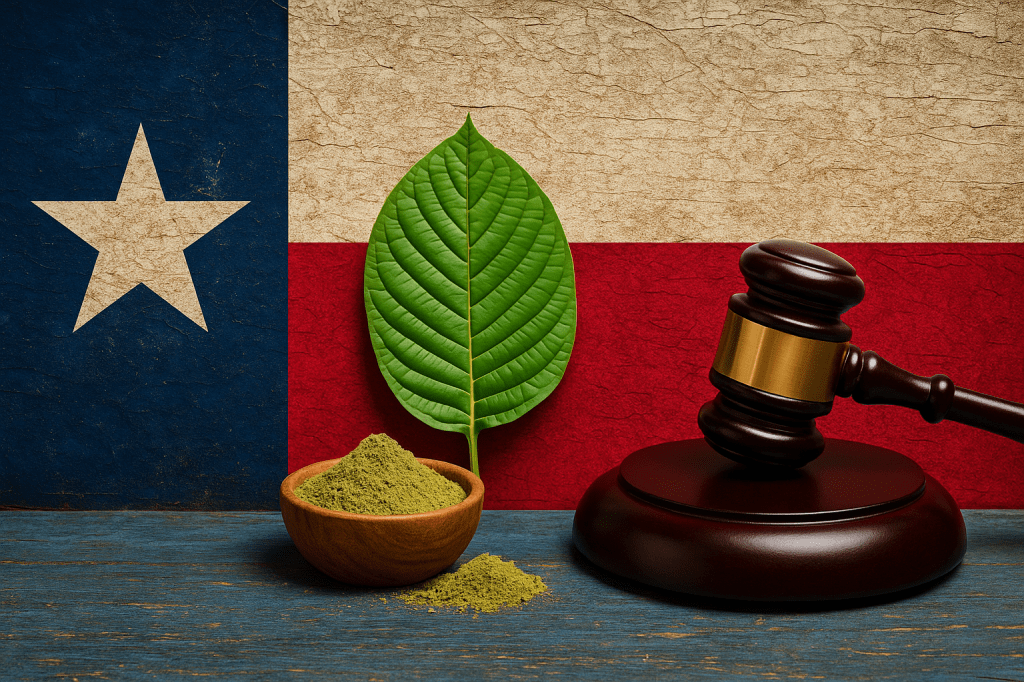
There’s a bill on the table in Texas—SB 1868—and if passed, it won’t just regulate Kratom, it will criminalize it.
This bill seeks to classify naturally occurring plant alkaloids—including mitragynine and 7-hydroxymitragynine—under the same legal category as heroin and fentanyl. You read that right: the same compounds found in a leaf that’s helped millions manage chronic pain, anxiety, and opioid withdrawal would be treated as felony substances.
Let’s be clear—this isn’t about protecting consumers. This is about control. SB 1868 would:
Add Kratom to Penalty Group 1 under Texas law
Make possession or sale a felony
Penalize producers and vendors of natural Kratom, while doing nothing to stop the real danger: synthetic, adulterated, and mislabeled products pushed by bad actors
This kind of overreach doesn’t promote safety. It punishes people who are choosing a plant over a pill.
Texas consumers deserve better. They deserve regulation that protects them—not criminalizes them. They deserve access to safe, lab-tested, natural products—not fearmongering, misinformation, and outdated drug war tactics.
Freedom isn’t just about waving a flag. It’s about the right to make informed choices about your own body. And if we allow legislation like SB 1868 to pass unchallenged, we’re waving goodbye to that right.
Stay informed. Speak out. Let Texas lawmakers know this isn’t the kind of “protection” we asked for.
Contact Your Texas State Senators
To express your concerns about SB 1868, reach out to your state senator. Here’s how you can find and contact them:
Find Your Senator: Use the Texas Senate Members Directory to locate your senator by district.
Contact Information: Each senator’s page includes their office addresses, phone numbers, and email contact forms.
Reach Out: Call or email your senator’s office. When contacting them:
Introduce yourself with your full name and address to confirm you are a constituent.
Clearly state your position on SB 1868.
Share personal stories or reasons why this bill affects you or your community.
Be respectful and concise.
Your voice matters. Let your senator know that you oppose SB 1868 and support the responsible, regulated use of natural wellness products.
Blog
-
Texas Senate Bill 1868: A Direct Threat to Natural Wellness
-

The Truth About 7-Hydroxymitragynine: Naturally Occurring vs. Synthetic
When it comes to Kratom, 7-Hydroxymitragynine is one of the most talked-about alkaloids due to its powerful pain-relieving and calming effects. Naturally occurring in the Kratom plant (Mitragyna speciosa), this alkaloid has been used by millions to help manage chronic pain, anxiety, and stress. But lately, there’s been a concerning trend: synthetic 7-Hydroxymitragynine is showing up in the market, sold by questionable vendors who have little regard for safety or quality.
Naturally Occurring 7-Hydroxymitragynine
Naturally derived 7-Hydroxymitragynine is found in Kratom leaves, and when consumed as part of the whole plant, it interacts with the body in a balanced, effective way. This naturally occurring alkaloid is part of the Kratom plant’s intricate chemical makeup, contributing to its well-known ability to relieve pain, calm the mind, and promote a sense of well-being.
In its natural form, 7-Hydroxymitragynine works in harmony with the other alkaloids in Kratom, providing a smooth, controlled effect that aligns with Kratom’s traditional use. When purchased from reputable sources, the naturally occurring 7-Hydroxymitragynine is a safe and effective compound for consumers who rely on it for pain management and overall wellness.
Synthetic 7-Hydroxymitragynine: A Dangerous Alternative
Recently, some shady vendors have started selling synthetic 7-Hydroxymitragynine, a man-made version of this alkaloid. These counterfeit products are typically cheaper to produce and are marketed as “stronger” or more effective than natural Kratom. However, synthetic 7-Hydroxymitragynine is a whole different beast — it doesn’t come with the same safety profile as the naturally occurring version. The process of synthesizing this compound can introduce impurities and unregulated chemicals that can pose serious risks to consumers.
The lack of quality control, testing, and safety standards in synthetic products means there’s no way to know what you’re actually getting in the bag. Some of these synthetic versions can be dangerous, with higher potency and unpredictable effects. They can also contribute to addiction, toxic reactions, and other serious health issues.
Why It Matters
As consumers, it’s crucial to understand the difference between naturally occurring and synthetic 7-Hydroxymitragynine. The purity and source of the Kratom you use are just as important as the dosage. When purchasing Kratom, always look for trusted, reputable vendors who source their products responsibly, provide lab testing, and adhere to safety standards.
Don’t fall for the “too good to be true” marketing from vendors trying to push synthetic products. Your health and well-being deserve better. Stick to Kratom in its natural, unaltered form, and make informed choices to ensure you’re getting the safe, effective benefits you’re looking for. -

The Leaf That Lifts You
When the world feels heavy, and the days drag on,
There’s a leaf that whispers, “You are not alone.”
It doesn’t promise miracles, nor claim to be more,
But it offers a gentle lift when life feels like a chore.
With each breath it brings, a weight starts to fade,
A calm in the storm, a peaceful cascade.
It doesn’t shout, it doesn’t demand,
Just gently carries you, hand in hand.
So when the burden feels too much to bear,
Remember the leaf that’s always there. -
Kratom’s Cultural Impact: From Ancient Traditions to Modern Wellness
Kratom, scientifically known as Mitragyna speciosa, has roots that trace back centuries, with its cultural and medicinal use woven into the fabric of Southeast Asia. Indigenous to the rainforests of Thailand, Malaysia, and Indonesia, Kratom was traditionally used by local populations for its stimulant effects. Workers in the fields would chew on the leaves of the Kratom tree to enhance their stamina and reduce fatigue. Its role in daily life wasn’t just functional — it had cultural significance, often linked to rituals and local traditions.
In these ancient societies, Kratom was seen as a valuable resource — one that connected the past to the present and played a part in physical, social, and even spiritual well-being. Beyond just a tool for physical endurance, it was used in traditional medicine for pain relief, to treat diarrhea, and as a way to manage emotional and mental health. This deep-rooted history of use demonstrated Kratom’s versatility and its lasting importance in indigenous cultures.
Kratom in Modern North America: A Wellness Revolution
Fast forward to today, and Kratom has made its way into the modern wellness scene, especially in North America, where it has garnered significant attention. What was once an obscure herbal remedy is now a prominent player in the growing movement of natural wellness. Its rise in popularity is part of a broader cultural shift away from pharmaceutical drugs and towards holistic, plant-based alternatives for pain management, mental clarity, and overall well-being.
Kratom is often sought out by those who are looking for alternatives to prescription opioids. In the United States, where the opioid crisis continues to wreak havoc on public health, many individuals turn to Kratom to alleviate chronic pain without the addictive properties of traditional painkillers. It’s also gaining traction as a natural remedy for anxiety, stress, and even depression, leading to a surge of consumer interest.
For many, Kratom has become more than just a remedy — it’s a lifestyle choice. It fits into a broader cultural shift towards self-care and empowerment, where people seek more control over their health and wellness. From wellness bloggers and alternative health practitioners to individuals on social media, Kratom is being championed as a safe, effective, and natural way to reclaim one’s health.
The Rise of Kratom Communities
In North America, Kratom has sparked the formation of dedicated consumer communities, online forums, and social media groups where users can share their experiences and educate others. These communities are crucial in pushing back against misinformation and advocating for legislation that ensures access to Kratom. They are the voices on the front lines, speaking out against potential bans and calling for regulation that prioritizes consumer safety without limiting access to this natural herb.
Kratom has also made its way into mainstream wellness—from niche herbal shops to major online wellness platforms. It’s marketed as part of a broader natural remedy trend, along with other herbal products like CBD and adaptogens. As more people discover its benefits, Kratom’s footprint in modern wellness grows, solidifying its place in North America’s evolving health landscape.
A Complex Debate
Despite its growing popularity, Kratom’s cultural impact in North America isn’t without controversy. While many users champion it as a safer alternative to painkillers, others, including some health officials, have raised concerns about its potential for abuse. The FDA’s stance on Kratom has become a focal point of debate, with advocates pushing for clearer regulations that protect consumer access while ensuring safe use.
What’s clear, however, is that Kratom’s journey in North America is far from over. It stands as a symbol of empowerment for those seeking alternatives in a healthcare system dominated by pharmaceuticals. For many, Kratom represents a new chapter in health and wellness, one that honors both ancient traditions and modern needs.
The Global Connection
Kratom’s impact doesn’t just stop at its use in North America. From Southeast Asia to the U.S., this plant’s story reflects how cultural practices and healing traditions can cross borders and inspire global movements for wellness. As Kratom continues to be integrated into modern wellness culture, its role in the global conversation about alternative medicine becomes increasingly important — bridging the gap between centuries-old traditions and contemporary health practices. -
The Fight for Access: How Consumers Are Pushing Back
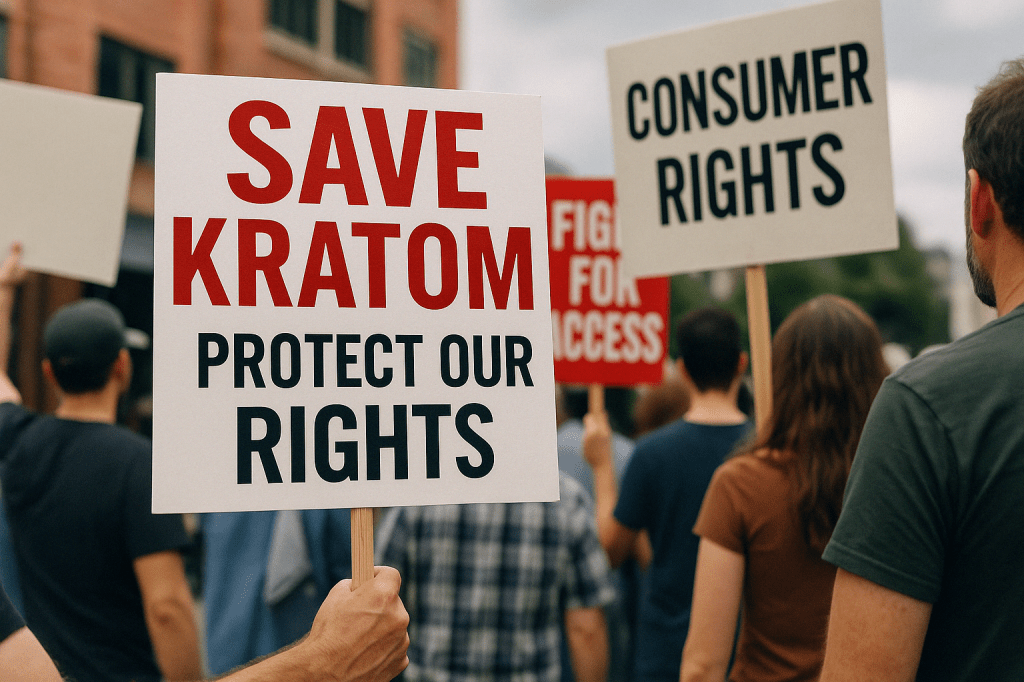
In recent years, Kratom has faced increasing scrutiny and potential restrictions. For many, this natural herb provides relief from chronic pain, stress, and even opioid withdrawal, but it is now at the center of a battle for consumer rights and health freedom. The question is no longer just about Kratom itself; it’s about our right to choose what we put into our bodies and how we choose to manage our wellness.
Consumers who rely on Kratom are far from passive participants. They are actively fighting back against misinformation, regulatory overreach, and potential bans that threaten to strip them of their access to this powerful herb. Through grassroots efforts, petitions, and organized rallies, the Kratom community is raising their voices and ensuring their concerns are heard at the local, state, and federal levels.
The fight for Kratom is about more than just this plant — it’s about preserving consumer choice. It’s about making sure that individuals have access to safe, effective natural alternatives for managing their health. And it’s about ensuring that decisions about health products are made by experts, not by those who may not understand the real benefits of Kratom.
How can you get involved?
Stay informed – Follow up-to-date information on Kratom legislation at The American Kratom Association (AKA), which tracks all relevant bills and updates.
Share your story – Your personal experience with Kratom can make a difference. Whether it’s relief from pain, anxiety, or a battle with opioid addiction, sharing your story is essential.
Take action – Write to your representatives and make your voice heard. Use resources like GovTrack to find and contact your elected officials, or Contact Congress for direct links to make it easier to reach out to the right people.
By standing together, we can ensure that Kratom continues to be available for those who need it. The fight for Kratom is ongoing, but every voice matters, and every action counts.
Join the fight. Stand up for Kratom. Your involvement could make all the difference in securing the future of this important herbal remedy. -

The KCPA: Protecting People, Not Just Plants
The Kratom Consumer Protection Act (KCPA) isn’t just about Kratom—it’s about protecting the people who rely on it.
Right now, Kratom exists in a legal limbo. In some states, it’s fully legal. In others, it’s criminalized. And in far too many, it’s legal but completely unregulated—which opens the door to shady vendors, contaminated products, and sensationalist headlines when things go wrong.
That’s where the KCPA comes in.
The KCPA creates a simple framework:
Age restrictions to keep Kratom out of the hands of minors
Product testing to prevent contamination or adulteration
Proper labeling so consumers know what they’re taking
Penalties for vendors who cut corners or mislead the public
It’s common sense. It’s consumer safety. And it’s long overdue.
When states adopt the KCPA, they’re not just saying “Kratom is legal.” They’re saying:
We believe people deserve safe access to natural tools without the fear of dirty products or bad actors poisoning the well.
But here’s the problem: every state has to fight for this on their own. Activists, advocates, and everyday consumers have to show up to committee hearings, educate lawmakers, and push back against misinformation. One state at a time. That’s a slow, exhausting battle.
What we need now is a National KCPA. A federal framework that sets baseline safety standards for all 50 states.
No more patchwork laws.
No more arbitrary bans.
No more “legal today, felony tomorrow” uncertainty.
Just a clear, science-based policy that protects the public without criminalizing people who are simply trying to live better lives.
Kratom isn’t going away. The community is too strong. The stories are too powerful. The science is catching up.
The only question is whether our laws will reflect that reality—or try to erase it.
The KCPA is how we protect access, ensure quality, and bring Kratom fully into the light. State by state, yes—but ultimately, nationwide.
Because the people deserve it.
Because truth matters.
And because prohibition has never been about safety—it’s always been about control. -

The Cup That Carries You
Sometimes healing doesn’t come as a breakthrough.
It comes as a ritual.
A small scoop of green powder.
A splash of warm water.
A stir.
A breath.
A pause.
For many of us, this isn’t a crutch.
It’s a companion.
A quiet witness to the moments we almost gave up—but didn’t.
Not because everything got easier,
but because we had something—even something small—to help us carry the weight.
In a world that rarely slows down, this simple act—making tea, sipping slowly, sitting still—can feel like resistance.
A rebellion against burnout.
Against pain.
Against silence.
There’s no choir behind it.
No fireworks.
Just a leaf. A body. A will to try again.
We don’t talk enough about grace in this community.
Not the religious kind—
The kind you give yourself.
You are not weak for needing help.
You are not broken for seeking balance.
And you are not alone in this.
Whether this tea helps you find focus, calm the storms in your mind, manage chronic pain, or just breathe a little deeper—
let that be enough.
Let this cup be your reminder:
You are worth caring for.
You are allowed to take up space.
You are allowed to heal—in your own way.
This isn’t just about a plant.
It’s about presence.
It’s about choosing to show up for yourself, day after day, leaf by leaf.
So if you’re here, still standing, still trying—
You’re doing it right. -
Trust Is Earned: What Makes a Kratom Vendor Worth Sticking With?
In the world of Kratom, trust isn’t given—it’s earned.
One bag at a time.
One conversation at a time.
One real human interaction at a time.
For a lot of us, Kratom isn’t just a supplement.
It’s tied to survival.
To chronic pain.
To recovery.
To clarity.
So when we spend our hard-earned money, we’re not just shopping—we’re putting trust in a vendor to do right by us.
So what makes a vendor feel like your vendor?
1. They Respect the Relationship
They don’t treat you like a transaction. They answer your questions. They care about your experience. They don’t ghost you after you buy.
2. They Listen
Not every strain works the same for everyone. The best vendors want feedback—good or bad. They ask. They adapt. They learn with you, not over you.
3. They’re Transparent
You shouldn’t need a microscope to find out what you’re taking. Good vendors share test results, tell you when batches change, and don’t hide behind vague marketing.
4. They Keep You Safe
If something goes wrong—a recall, a delay, a batch issue—they tell you. Fast. Loudly. Because they value your trust more than protecting their ego.
5. They’re Human, Too
Some of the best vendors in this space are people who once relied on Kratom themselves. That shows. You can feel it in their emails, their service, their care.
You can buy powder from a lot of places.
But when you find a vendor who treats you like a person—not a problem—you stick with them.
Because in this community, the relationships are just as powerful as the leaf. -

Not All Vendors Are Equal: How to Vet a Kratom Brand Before You Buy
Kratom is legal in most states—but it’s not regulated.
That means you’re the quality control.
And let’s be honest: not every vendor deserves your trust, your money, or your body.
So how do you know if a Kratom vendor is legit?
Here’s how real consumers vet their sources:
1. Third-Party Lab Testing
If a vendor can’t (or won’t) provide lab results, walk away.
Every batch should be tested for:
Alkaloid content (mitragynine + 7-OH)
Heavy metals
Pathogens like salmonella or E. coli
Reputable vendors post their COAs (Certificates of Analysis) publicly. No excuses.
2. Clear Labeling
You should never have to guess what you’re taking.
Look for:
Strain name
Batch number
Suggested serving size
Contact info for the vendor
No label? No trust.
3. Sourcing Transparency (To a Point)
No, most vendors won’t tell you the name of their farmer in Indonesia—and that’s fine.
But they should be able to tell you what region it’s from and give you confidence that their supply chain is clean, ethical, and stable. If their sourcing story sounds like a fairytale, assume it is.
4. Consumer Reviews (Not Just on Their Site)
Check Reddit. Look in Kratom Facebook groups. Search YouTube.
If people are getting sick, scammed, or sent dusty green mystery powder in a bag with a smiley face sticker, you’ll hear about it.
5. No Wild Claims
If a vendor is advertising Kratom as a “cure” for anything, they’re setting you—and the whole community—up for trouble.
Honest vendors stay compliant and let the product speak for itself.
6. GMP-Certified Manufacturing
The best vendors invest in true, independent GMP certification.
Clean facilities. Safe handling. Traceable products. Real accountability.
If they don’t have it, ask why.
Kratom consumers deserve better.
We deserve clean, tested, accurately labeled products from vendors who give a damn.
If we want Kratom to stay legal and respected, we have to demand better—and support the ones doing it right. -
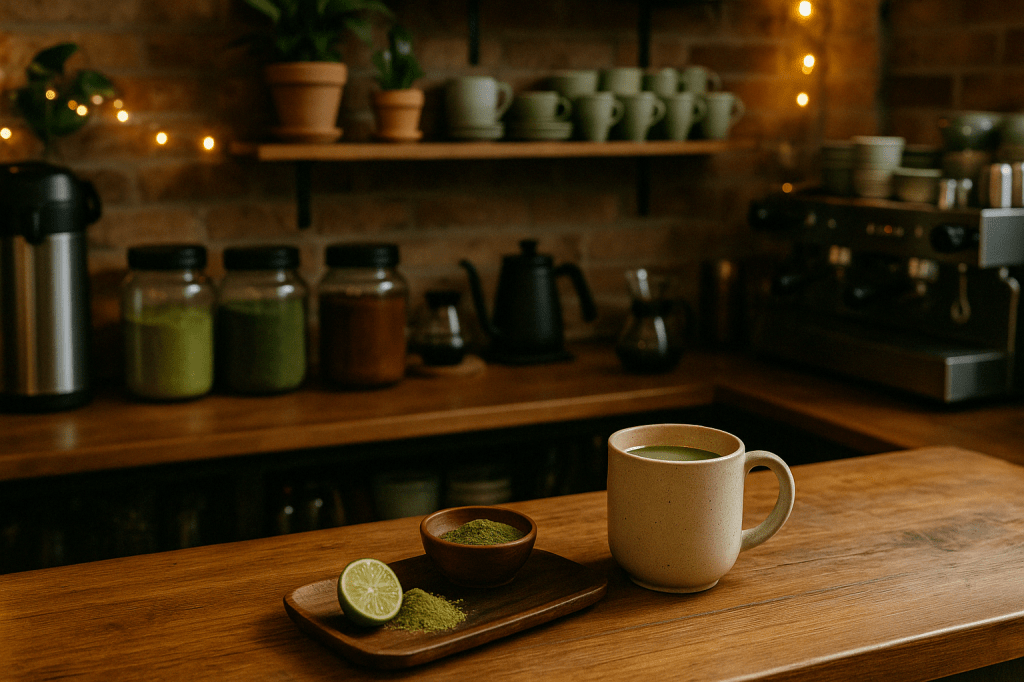
From Jungle to Kava Bar: Kratom Culture in North America
Kratom’s story doesn’t start in a lab or a government study—it starts beneath the dense canopy of Southeast Asia. In rural Indonesia, Thailand, and Malaysia, Kratom (Mitragyna speciosa) has been used for centuries. Not to get high, not to escape, but to endure. Farmers and laborers would pluck fresh leaves, chew them or brew them into tea to ease pain, fight fatigue, and stay focused.
But here in North America, Kratom has taken root in new soil—and something beautiful is growing.
Kratom culture in the U.S. and Canada is unlike anything else. It’s not just a health trend. It’s a quiet revolution. A patchwork community of people—veterans, trauma survivors, parents, blue-collar workers, students, artists—who’ve found something that actually works for them.
In the beginning, Kratom users were forced underground. They swapped stories on niche forums. They ordered from mystery websites. They didn’t talk openly about their experiences—not because they were ashamed, but because they were afraid. Misinformation, stigma, and the looming threat of criminalization kept people silent.
But over time, the silence cracked. Then it broke.
Now, Kratom tea bars are popping up across the country. From Tampa to Tucson, Trucksville to Sacramento, these spaces are redefining what it means to gather. They’re not bars. They’re not cafés. They’re cultural hubs—places where people come to feel safe, heard, and human. Where a cup of Red Bali might come with a side of life advice. Where folks check in on each other’s dosage and mental health.
Online, the culture thrives. Reddit, TikTok, YouTube—everywhere you look, Mitragynists are speaking out. Sharing stories about getting off pharmaceuticals. About finally sleeping through the night. About making it through pain, depression, addiction, or burnout when nothing else worked. This isn’t hype. It’s testimony.
And the beauty is in the diversity.
Some sip green tea in the morning to boost energy.
Some take red in the evening to ease pain or PTSD.
Some blend strains like herbal sommeliers.
Some microdose, some brew strong.
Some keep it sacred. Some keep it social.
All of them keep it real.
This is North American Kratom culture:
Independent but connected
Natural but modern
Rooted in ancient tradition but evolving every day
It’s not just about the plant. It’s about people reclaiming their wellness. It’s about access, autonomy, and community. And it’s about time the world understood that.
Kratom culture didn’t arrive here—it emerged here.
Not imported. Planted. Nourished by pain, healed through connection, and defended with truth.
Welcome to the movement.
You’re not alone.
You’re part of something growing.
 Verideon