Every few years, a new wave of media panic tries to convince the public that Kratom is the next national crisis. They call it “unregulated,” “dangerous,” “deadly”—often without understanding the plant, its use, or the people who rely on it.
Let’s be clear:
Kratom isn’t synthetic. It isn’t a drug. It’s a tree. A tree that’s been used for centuries in Southeast Asia—not to escape life, but to endure it.
In rural Indonesia, Malaysia, and Thailand, laborers have long chewed fresh Kratom leaves or brewed them as tea to ease fatigue, manage pain, and stay focused during long days in the fields. It was a practical, everyday ally. You didn’t “get high” on Kratom—you got through the workday.
This isn’t ancient history. It’s living tradition. In places like Kalimantan and Borneo, whole communities grow, harvest, and use Kratom as part of their local culture and economy. And unlike the pharmaceutical industry, they don’t need a marketing department to prove its value.
So why is it that when people in the U.S. turn to Kratom—for pain relief, mental clarity, withdrawal support, or simply to reclaim their lives—suddenly it’s a “public health threat”?
The truth is, the real threat isn’t Kratom.
It’s pharmaceutical monopolies that fear competition.
It’s funded prohibitionists who thrive on panic.
It’s government agencies pushing policies based on outdated science and anecdotal hysteria.
And it’s politicians more concerned with optics than outcomes.
Meanwhile, millions of Americans are quietly benefiting from this plant—holding down jobs, raising families, and navigating life with a little more stability thanks to a cup of tea and a leaf that grows halfway around the world.
Civic Leaf was created to cut through the noise—to offer facts, amplify real experiences, and challenge the dangerous lies that threaten access to safe, natural tools like Kratom.
Because this isn’t just about a plant.
It’s about the right to choose what goes in our bodies.
It’s about respecting cultural knowledge, lived experience, and scientific truth.
Kratom isn’t the enemy.
The war on it is.
Blog
-
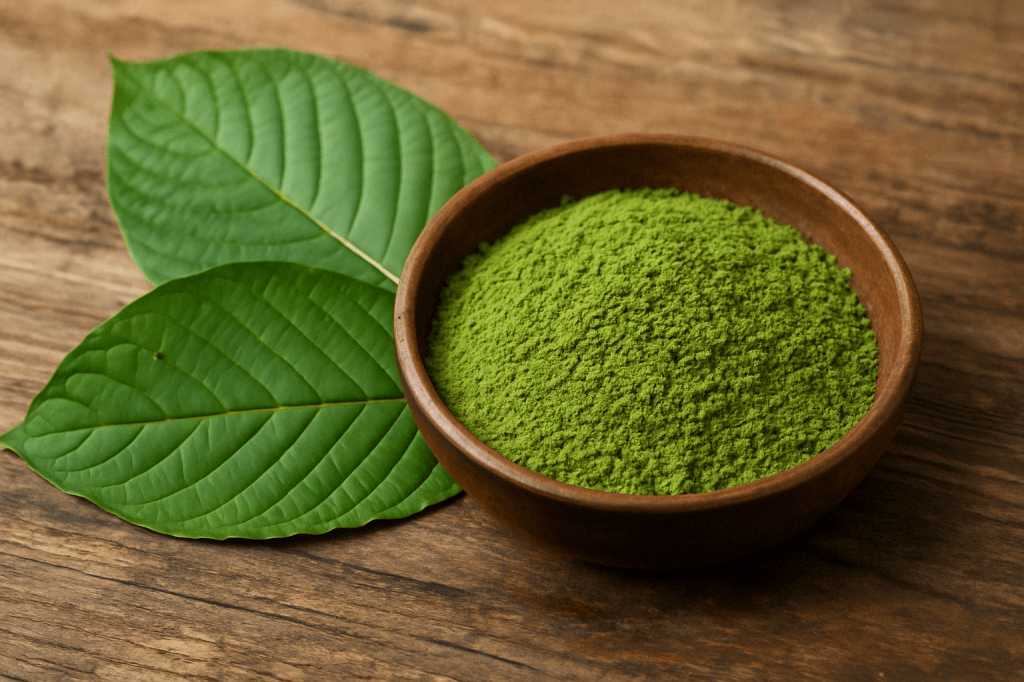
Kratom Isn’t the Problem. The Lies About It Are
-

You Don’t “Use” Kratom. You Work With It.
Published in The Mitragynist – April 2025
When people talk about Kratom, they use the language of consumption.
“Users.”
“Dosage.”
“Dependence.”
“Side effects.”It’s the same medicalized, reductionist framing slapped onto everything that doesn’t fit neatly into Western pharmacology. But here’s the thing—
You don’t use Kratom. You work with it.
The Language of Power and Plants
Working with a plant is not the same as using a pill.
You don’t “use” yoga.
You don’t “use” a forest.
You don’t “use” meditation, breathwork, or prayer.Those things are practices. Relationships. Ongoing conversations between body, mind, and environment. Kratom, for millions of people, belongs in that same space.
It’s not a drug. It’s a dialogue.
Every Leaf Tells a Story
Working with Kratom means learning your own chemistry.
It means discovering how:- Red Borneo slows the world down just enough to survive a pain flare
- Green Maeng Da lets you get through a work shift with dignity
- White Thai gives you your mornings back without shaking hands or side-eye from the pharmacist
It’s not about escaping. It’s about engaging, often with the parts of life that are too heavy to carry alone.
Kratom Is Collaborative
This plant doesn’t “fix” anything. It doesn’t promise miracles.
But when it works, it shows up—not like a dealer, but like a partner.You have to respect it.
You have to listen.
You have to adjust, reflect, respond.That’s not addiction. That’s alignment.
And it deserves to be treated with the same reverence we give to any other healing practice.
The Real Danger Is the Frame
As long as Kratom is only spoken about in terms of “use,” it stays stuck in the same file drawer as heroin, meth, and fentanyl.
That’s not science. That’s stigma.
And it’s costing people their jobs, their access, and sometimes their lives.
Bottom Line
Kratom isn’t a fix. It isn’t a crutch.
It’s a leaf—and a lifeline.You don’t use it.
You work with it.
And that is a truth worth fighting for. -
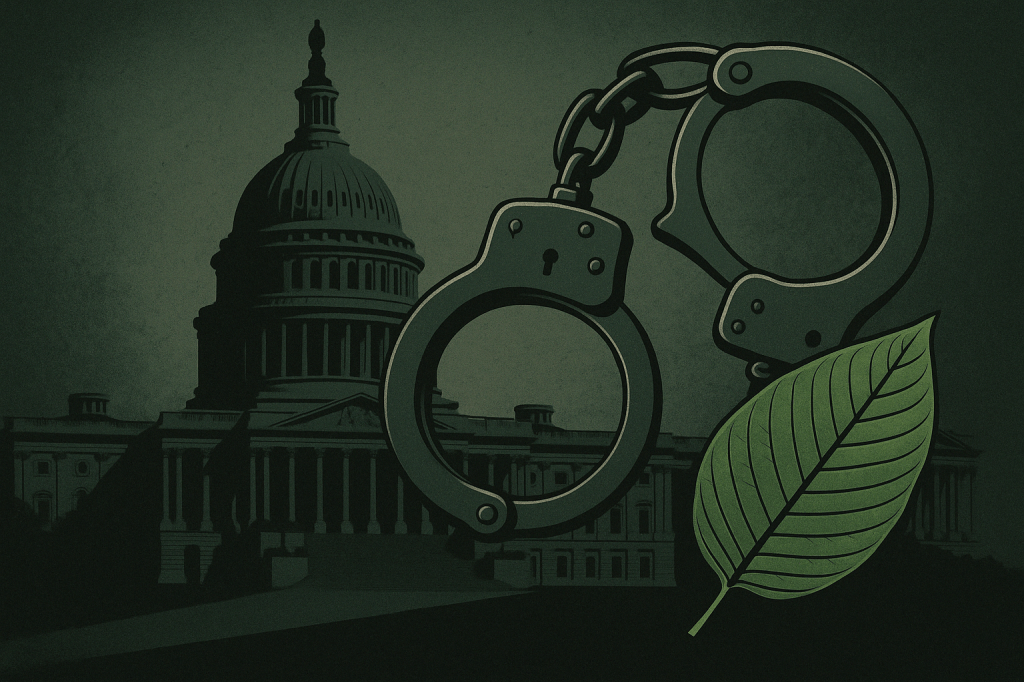
Pam Bondi Is the Most Dangerous Threat to Kratom in 2025
Pam Bondi Is the Most Dangerous Threat to Kratom in 2025
Published in Civic Leaf – April 2025Most Kratom advocates are watching the DEA, the FDA, or a handful of anti-plant senators. But the real threat now holds one of the most powerful positions in the country:
Pam Bondi is the Attorney General of the United States.
And if you think she’s not coming for Kratom—you haven’t been paying attention.
Bondi’s Long Game Just Hit the Big Stage
Pam Bondi spent years building a career out of loyalty to Donald Trump, culture war crusading, and public smear campaigns. As Florida Attorney General, she attacked LGBTQ+ rights, shielded Big Pharma from accountability, and took “donations” from Trump while refusing to investigate him.
Now, as U.S. Attorney General, she has the power to:
- Push the DEA toward rescheduling Kratom
- Direct U.S. Attorneys to prosecute vendors under flimsy laws
- Influence public health policy with zero scientific backing
- Coordinate federal action with state-level bans to kill Kratom by attrition
This isn’t speculation. This is how power works—and she’s got it now.
Her History with Kratom Is Anything But Neutral
Long before she took the federal stage, Bondi was already quietly waging war on Kratom:
- Appearing alongside fringe anti-Kratom activists in Florida
- Repeating debunked claims about overdose and addiction
- Supporting emergency scheduling attempts based on fear, not fact
Now, with her hands on the Justice Department, she can make that agenda national—with the backing of federal law enforcement.
What’s Coming Next?
Don’t expect a loud, public ban attempt. Bondi’s smarter than that.
Expect instead:- Quiet FDA/DEA pressure campaigns
- Coordinated seizures and warnings against vendors
- Federal grants to state agencies willing to push Kratom bans
- Public statements about “protecting our children” while ignoring the science
What Kratom Advocates Must Do Now
- Name her. Don’t let Pam Bondi operate in a cloud of anonymity.
- Push back publicly and strategically. Write op-eds. Call your reps. Share science.
- Support KCPA legislation in every state. Regulation beats prohibition—every time.
Bottom Line
Pam Bondi is no longer an outside agitator—she’s the top cop in the country, and her agenda is clear.
Civic Leaf is watching.
And we won’t stay silent while she tries to criminalize the very people Kratom has helped the most.
 Verideon