If you’ve been around the Kratom advocacy space for any length of time, you’ve probably noticed a pattern: the legislative heat gets turned up every spring—particularly in April and May. It’s not a coincidence, and it’s not just bad luck. It’s strategy.
Here’s why:
1. Legislative Calendars Favor the Spring Push.
In most states, the legislative session ramps up after the first quarter, with bills moving out of committee and onto the floor for votes. Lawmakers know they’re working against a summer recess, so April and May become a pressure-cooker period for pushing through bills—good or bad. This makes it the prime window for industries and lobbyists to jam their priorities into law before attention wanes.
2. Lobbyists Count on Consumer Distraction.
Spring brings holidays, graduations, school testing, tax season headaches, and the start of vacation planning. They know most of us are overwhelmed, tired, or checked out. They exploit that. Bills move faster when the public isn’t watching.
3. It’s Easier to Pass Bans Before Summer Campaigning Starts.
Summer and early fall are often reserved for campaigning, especially in election years. If a lawmaker is going to take a controversial stance (like banning Kratom), they’d rather do it early—then use the next few months to change the subject or spin their vote.
4. Coordinated Efforts Behind the Scenes.
Many of these Kratom-related bills don’t appear organically. They’re pushed by powerful anti-plant coalitions, often with cookie-cutter language passed from one statehouse to the next. When one state proposes a bill, others tend to follow quickly, creating a cascading effect across April and May.
So What Can We Do About It?
This is the time of year when advocacy matters most. Stay alert. Stay informed. Help others understand what’s happening. Make calls, write emails, and show lawmakers that we are paying attention—even when the timing seems designed to slip past us.
Tag: #AmericanKratomAssociation
-

Why Does Kratom Legislation Always Hit in April and May?
-
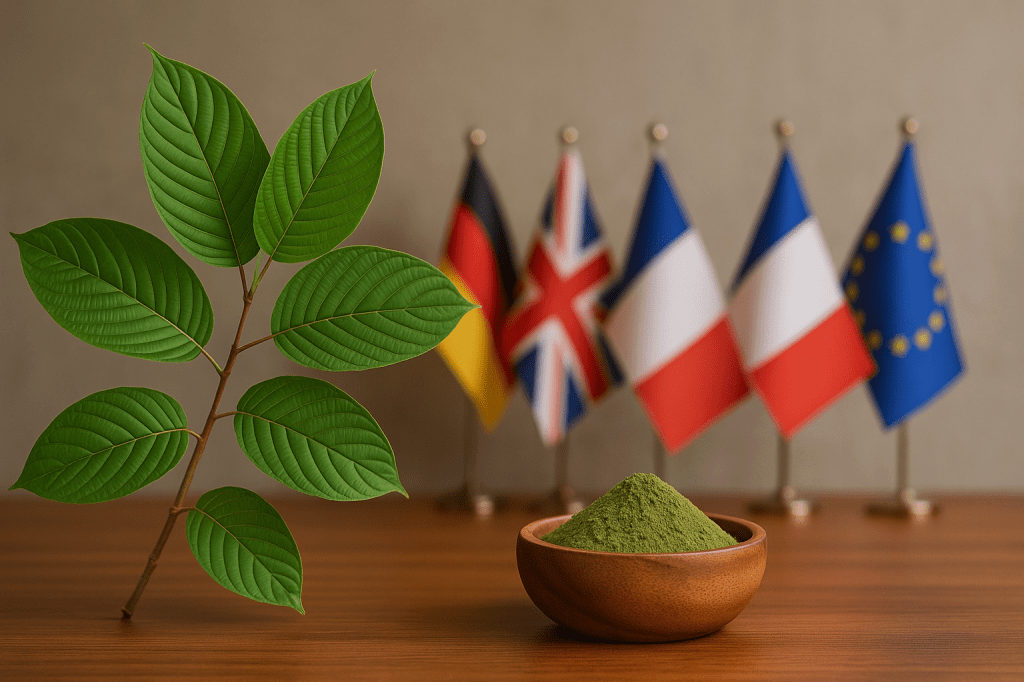
Kratom Takes the Global Stage: Scientific Insights at the UN CND
On March 14, 2025, during the 68th session of the United Nations Commission on Narcotic Drugs (UN CND) in Vienna, the American Kratom Association (AKA) hosted a pivotal side event titled “Kratom: A Critical Scientific Update on Safety and Potential Benefits for Consumers.” This session brought together leading scientists and researchers to present the latest findings on kratom’s safety profile and potential therapeutic benefits.
🔬 Key Scientific Highlights
Safety Profile: Researchers emphasized that kratom, when used responsibly, has a favorable safety profile. Studies indicate that kratom’s primary alkaloids, mitragynine and 7-hydroxymitragynine, exhibit partial agonist activity at opioid receptors, potentially reducing the risk of respiratory depression compared to traditional opioids.
Therapeutic Potential: Presentations highlighted kratom’s potential in managing chronic pain, anxiety, and opioid withdrawal symptoms. Clinical observations suggest that kratom may serve as a harm-reduction tool for individuals seeking alternatives to conventional opioids.
Regulatory Considerations: Experts advocated for evidence-based regulations that acknowledge kratom’s benefits while ensuring consumer safety. They cautioned against blanket bans, emphasizing the importance of distinguishing between natural kratom products and adulterated or synthetic versions.
🗣️ Notable Quote
Dr. Jack Henningfield, a prominent researcher in the field, stated:
“The World Health Organization expert committee on drug dependence got it right in 2021—they said the evidence does not support scheduling.”
📚 Access to the Research
For those interested in delving deeper into the scientific discussions, the following resources provide comprehensive information:
American Kratom Association UN CND Presentation: Detailed information about the side event, including speaker bios and presentation summaries.
YouTube Recording of the Presentation: A full video recording of the side event is available for viewing.
WHO Pre-Review Report on Kratom: An in-depth analysis by the World Health Organization’s Expert Committee on Drug Dependence, assessing kratom’s pharmacology, toxicology, and potential for abuse.
Kratom Safety and Toxicology in the Public Health Context: A peer-reviewed article examining kratom’s safety profile and its implications for public health.
 Verideon