Kratom, scientifically known as Mitragyna speciosa, has roots that trace back centuries, with its cultural and medicinal use woven into the fabric of Southeast Asia. Indigenous to the rainforests of Thailand, Malaysia, and Indonesia, Kratom was traditionally used by local populations for its stimulant effects. Workers in the fields would chew on the leaves of the Kratom tree to enhance their stamina and reduce fatigue. Its role in daily life wasn’t just functional — it had cultural significance, often linked to rituals and local traditions.
In these ancient societies, Kratom was seen as a valuable resource — one that connected the past to the present and played a part in physical, social, and even spiritual well-being. Beyond just a tool for physical endurance, it was used in traditional medicine for pain relief, to treat diarrhea, and as a way to manage emotional and mental health. This deep-rooted history of use demonstrated Kratom’s versatility and its lasting importance in indigenous cultures.
Kratom in Modern North America: A Wellness Revolution
Fast forward to today, and Kratom has made its way into the modern wellness scene, especially in North America, where it has garnered significant attention. What was once an obscure herbal remedy is now a prominent player in the growing movement of natural wellness. Its rise in popularity is part of a broader cultural shift away from pharmaceutical drugs and towards holistic, plant-based alternatives for pain management, mental clarity, and overall well-being.
Kratom is often sought out by those who are looking for alternatives to prescription opioids. In the United States, where the opioid crisis continues to wreak havoc on public health, many individuals turn to Kratom to alleviate chronic pain without the addictive properties of traditional painkillers. It’s also gaining traction as a natural remedy for anxiety, stress, and even depression, leading to a surge of consumer interest.
For many, Kratom has become more than just a remedy — it’s a lifestyle choice. It fits into a broader cultural shift towards self-care and empowerment, where people seek more control over their health and wellness. From wellness bloggers and alternative health practitioners to individuals on social media, Kratom is being championed as a safe, effective, and natural way to reclaim one’s health.
The Rise of Kratom Communities
In North America, Kratom has sparked the formation of dedicated consumer communities, online forums, and social media groups where users can share their experiences and educate others. These communities are crucial in pushing back against misinformation and advocating for legislation that ensures access to Kratom. They are the voices on the front lines, speaking out against potential bans and calling for regulation that prioritizes consumer safety without limiting access to this natural herb.
Kratom has also made its way into mainstream wellness—from niche herbal shops to major online wellness platforms. It’s marketed as part of a broader natural remedy trend, along with other herbal products like CBD and adaptogens. As more people discover its benefits, Kratom’s footprint in modern wellness grows, solidifying its place in North America’s evolving health landscape.
A Complex Debate
Despite its growing popularity, Kratom’s cultural impact in North America isn’t without controversy. While many users champion it as a safer alternative to painkillers, others, including some health officials, have raised concerns about its potential for abuse. The FDA’s stance on Kratom has become a focal point of debate, with advocates pushing for clearer regulations that protect consumer access while ensuring safe use.
What’s clear, however, is that Kratom’s journey in North America is far from over. It stands as a symbol of empowerment for those seeking alternatives in a healthcare system dominated by pharmaceuticals. For many, Kratom represents a new chapter in health and wellness, one that honors both ancient traditions and modern needs.
The Global Connection
Kratom’s impact doesn’t just stop at its use in North America. From Southeast Asia to the U.S., this plant’s story reflects how cultural practices and healing traditions can cross borders and inspire global movements for wellness. As Kratom continues to be integrated into modern wellness culture, its role in the global conversation about alternative medicine becomes increasingly important — bridging the gap between centuries-old traditions and contemporary health practices.
Tag: plants
-
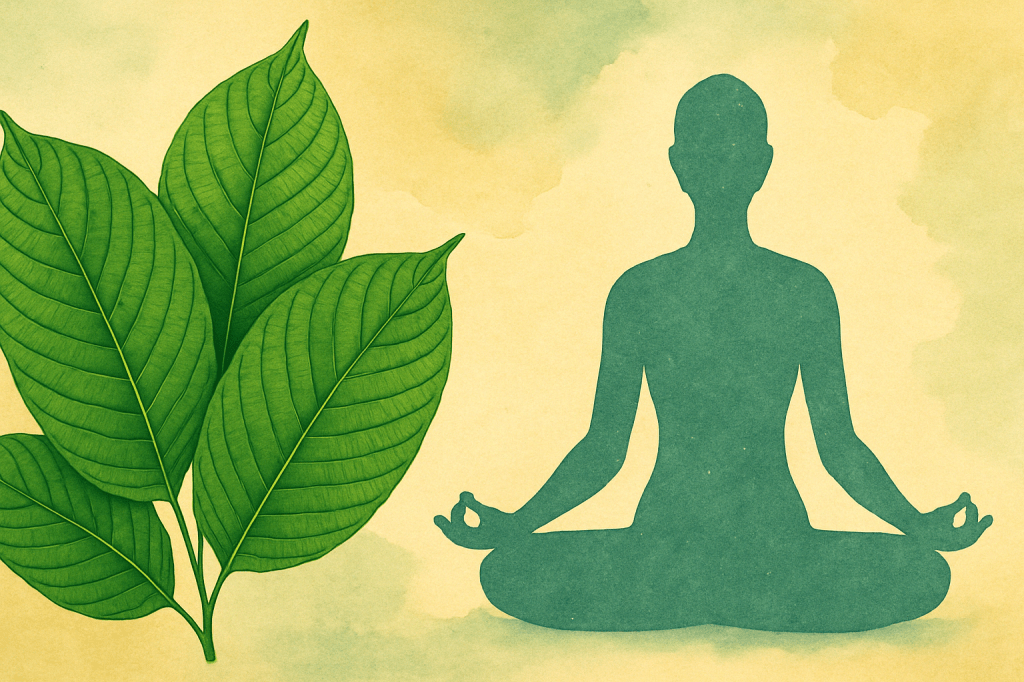
Kratom’s Cultural Impact: From Ancient Traditions to Modern Wellness
-

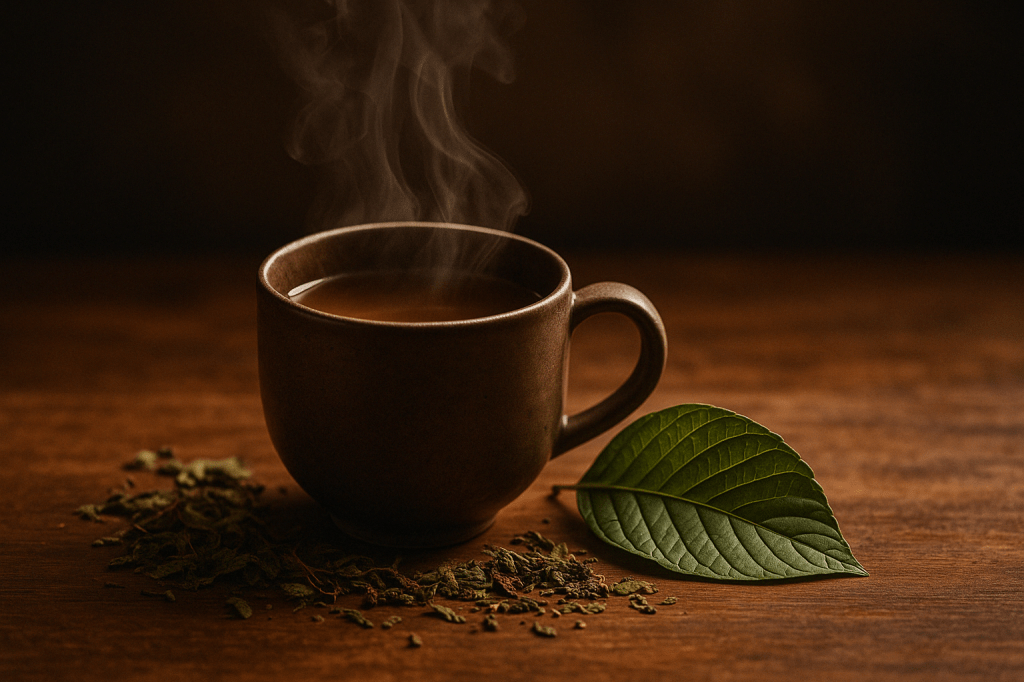
The Cup That Carries You
Sometimes healing doesn’t come as a breakthrough.
It comes as a ritual.
A small scoop of green powder.
A splash of warm water.
A stir.
A breath.
A pause.
For many of us, this isn’t a crutch.
It’s a companion.
A quiet witness to the moments we almost gave up—but didn’t.
Not because everything got easier,
but because we had something—even something small—to help us carry the weight.
In a world that rarely slows down, this simple act—making tea, sipping slowly, sitting still—can feel like resistance.
A rebellion against burnout.
Against pain.
Against silence.
There’s no choir behind it.
No fireworks.
Just a leaf. A body. A will to try again.
We don’t talk enough about grace in this community.
Not the religious kind—
The kind you give yourself.
You are not weak for needing help.
You are not broken for seeking balance.
And you are not alone in this.
Whether this tea helps you find focus, calm the storms in your mind, manage chronic pain, or just breathe a little deeper—
let that be enough.
Let this cup be your reminder:
You are worth caring for.
You are allowed to take up space.
You are allowed to heal—in your own way.
This isn’t just about a plant.
It’s about presence.
It’s about choosing to show up for yourself, day after day, leaf by leaf.
So if you’re here, still standing, still trying—
You’re doing it right. -
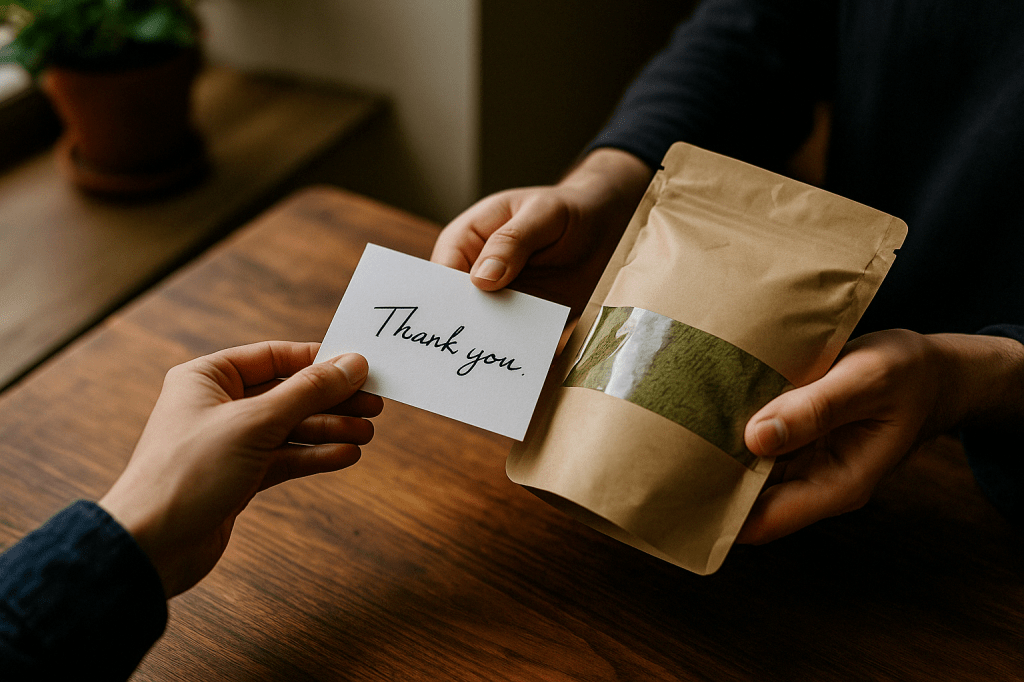
Trust Is Earned: What Makes a Kratom Vendor Worth Sticking With?
In the world of Kratom, trust isn’t given—it’s earned.
One bag at a time.
One conversation at a time.
One real human interaction at a time.
For a lot of us, Kratom isn’t just a supplement.
It’s tied to survival.
To chronic pain.
To recovery.
To clarity.
So when we spend our hard-earned money, we’re not just shopping—we’re putting trust in a vendor to do right by us.
So what makes a vendor feel like your vendor?
1. They Respect the Relationship
They don’t treat you like a transaction. They answer your questions. They care about your experience. They don’t ghost you after you buy.
2. They Listen
Not every strain works the same for everyone. The best vendors want feedback—good or bad. They ask. They adapt. They learn with you, not over you.
3. They’re Transparent
You shouldn’t need a microscope to find out what you’re taking. Good vendors share test results, tell you when batches change, and don’t hide behind vague marketing.
4. They Keep You Safe
If something goes wrong—a recall, a delay, a batch issue—they tell you. Fast. Loudly. Because they value your trust more than protecting their ego.
5. They’re Human, Too
Some of the best vendors in this space are people who once relied on Kratom themselves. That shows. You can feel it in their emails, their service, their care.
You can buy powder from a lot of places.
But when you find a vendor who treats you like a person—not a problem—you stick with them.
Because in this community, the relationships are just as powerful as the leaf. -
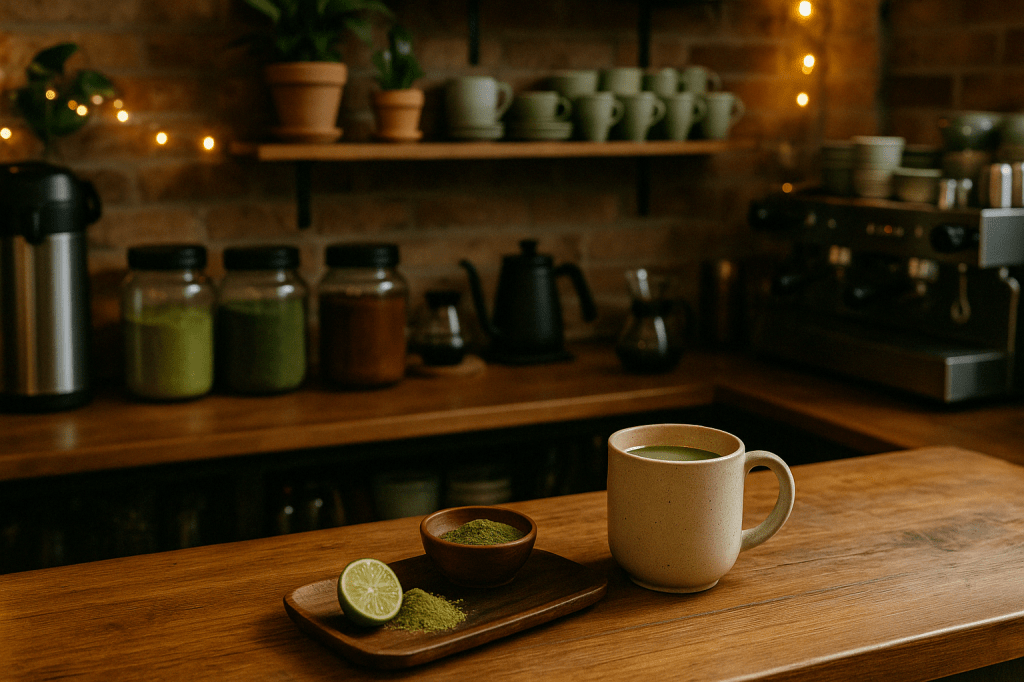
From Jungle to Kava Bar: Kratom Culture in North America
Kratom’s story doesn’t start in a lab or a government study—it starts beneath the dense canopy of Southeast Asia. In rural Indonesia, Thailand, and Malaysia, Kratom (Mitragyna speciosa) has been used for centuries. Not to get high, not to escape, but to endure. Farmers and laborers would pluck fresh leaves, chew them or brew them into tea to ease pain, fight fatigue, and stay focused.
But here in North America, Kratom has taken root in new soil—and something beautiful is growing.
Kratom culture in the U.S. and Canada is unlike anything else. It’s not just a health trend. It’s a quiet revolution. A patchwork community of people—veterans, trauma survivors, parents, blue-collar workers, students, artists—who’ve found something that actually works for them.
In the beginning, Kratom users were forced underground. They swapped stories on niche forums. They ordered from mystery websites. They didn’t talk openly about their experiences—not because they were ashamed, but because they were afraid. Misinformation, stigma, and the looming threat of criminalization kept people silent.
But over time, the silence cracked. Then it broke.
Now, Kratom tea bars are popping up across the country. From Tampa to Tucson, Trucksville to Sacramento, these spaces are redefining what it means to gather. They’re not bars. They’re not cafés. They’re cultural hubs—places where people come to feel safe, heard, and human. Where a cup of Red Bali might come with a side of life advice. Where folks check in on each other’s dosage and mental health.
Online, the culture thrives. Reddit, TikTok, YouTube—everywhere you look, Mitragynists are speaking out. Sharing stories about getting off pharmaceuticals. About finally sleeping through the night. About making it through pain, depression, addiction, or burnout when nothing else worked. This isn’t hype. It’s testimony.
And the beauty is in the diversity.
Some sip green tea in the morning to boost energy.
Some take red in the evening to ease pain or PTSD.
Some blend strains like herbal sommeliers.
Some microdose, some brew strong.
Some keep it sacred. Some keep it social.
All of them keep it real.
This is North American Kratom culture:
Independent but connected
Natural but modern
Rooted in ancient tradition but evolving every day
It’s not just about the plant. It’s about people reclaiming their wellness. It’s about access, autonomy, and community. And it’s about time the world understood that.
Kratom culture didn’t arrive here—it emerged here.
Not imported. Planted. Nourished by pain, healed through connection, and defended with truth.
Welcome to the movement.
You’re not alone.
You’re part of something growing. -
You Don’t “Use” Kratom. You Work With It.
Published in The Mitragynist – April 2025
When people talk about Kratom, they use the language of consumption.
“Users.”
“Dosage.”
“Dependence.”
“Side effects.”It’s the same medicalized, reductionist framing slapped onto everything that doesn’t fit neatly into Western pharmacology. But here’s the thing—
You don’t use Kratom. You work with it.
The Language of Power and Plants
Working with a plant is not the same as using a pill.
You don’t “use” yoga.
You don’t “use” a forest.
You don’t “use” meditation, breathwork, or prayer.Those things are practices. Relationships. Ongoing conversations between body, mind, and environment. Kratom, for millions of people, belongs in that same space.
It’s not a drug. It’s a dialogue.
Every Leaf Tells a Story
Working with Kratom means learning your own chemistry.
It means discovering how:- Red Borneo slows the world down just enough to survive a pain flare
- Green Maeng Da lets you get through a work shift with dignity
- White Thai gives you your mornings back without shaking hands or side-eye from the pharmacist
It’s not about escaping. It’s about engaging, often with the parts of life that are too heavy to carry alone.
Kratom Is Collaborative
This plant doesn’t “fix” anything. It doesn’t promise miracles.
But when it works, it shows up—not like a dealer, but like a partner.You have to respect it.
You have to listen.
You have to adjust, reflect, respond.That’s not addiction. That’s alignment.
And it deserves to be treated with the same reverence we give to any other healing practice.
The Real Danger Is the Frame
As long as Kratom is only spoken about in terms of “use,” it stays stuck in the same file drawer as heroin, meth, and fentanyl.
That’s not science. That’s stigma.
And it’s costing people their jobs, their access, and sometimes their lives.
Bottom Line
Kratom isn’t a fix. It isn’t a crutch.
It’s a leaf—and a lifeline.You don’t use it.
You work with it.
And that is a truth worth fighting for.
 Verideon